The San Jacinto River Authority (SJRA) was created by the Texas Legislature in 1937 to develop, conserve, and protect the water resources of the San Jacinto River Basin. Over decades, this mission expanded to include not only surface water supply and wastewater treatment but also groundwater supply and regional flood management.
SJRA’s operational divisions have evolved in response to population growth, industrial expansion, droughts, and flood management, all while striving to provide reliable wholesale water and wastewater services across the San Jacinto River Basin.
Utility Enterprise Divisions: Utilities for Utilities
Surface Water Treatment Facility or Groundwater Reduction Plan (GRP) Division
The GRP Division exists to reduce reliance on groundwater, a strategy that’s critical in a rapidly growing region where aquifers cannot sustainably meet demand.
- Historical Context: As part of SJRA’s broader mission, the GRP was established as an organized program to meet groundwater conservation mandates from regional regulators. Development of the wholesale surface water treatment program began in the mid-2010s and includes infrastructure such as a surface water intake, treatment facilities, and miles of transmission pipeline, all designed to meet groundwater reduction targets.
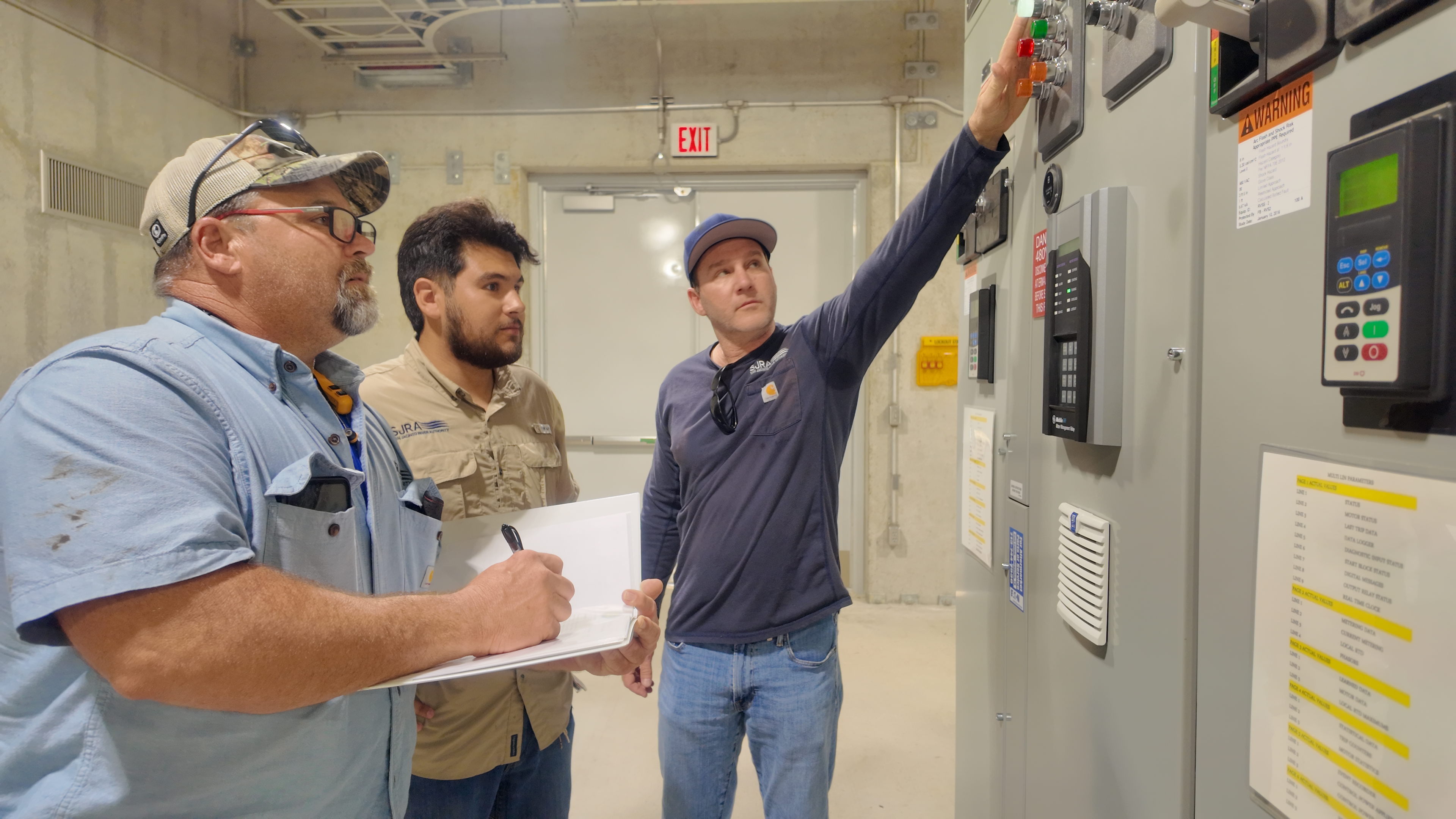
- Operations and Maintenance: The Division treats surface water from Lake Conroe at the surface water treatment plant to meet state and federal drinking water standards. Once treated the surface water is delivered to local water providers and blended with groundwater. Using surface water as a supplement to ground water helps to slow aquifer depletion. The surface water infrastructure is maintained and monitored daily to ensure quality, reliability, and compliance with state and federal standards.
- Protection Strategies: Conservation measures and long-term planning help sustain water supply while safeguarding groundwater reserves for the future.
Woodlands Division
Serving the community of The Woodlands, this division ensures delivery of wholesale water supply and wastewater treatment to local municipal utility districts.
- Historical Roots: The Woodlands Division began operations in 1975, linking SJRA’s regional capabilities to rapidly expanding suburban growth.
- Infrastructure: Today, the wholesale system includes three regional wastewater treatment plants, extensive water wells, storage tanks, pumping systems, and miles of distribution and collection lines supporting more than 100,000 residents.
- Maintenance and Protection: Ongoing condition assessment evaluations, capital improvement plans, inspections, compliance with the U.S. Environmental Protection Agency standards (such as the Lead and Copper Rule), and coordination with local municipal utility districts ensure safe, reliable, and cost-efficient service.
Raw Water Enterprise Divisions: Supporting Regional Growth
Lake Conroe Division
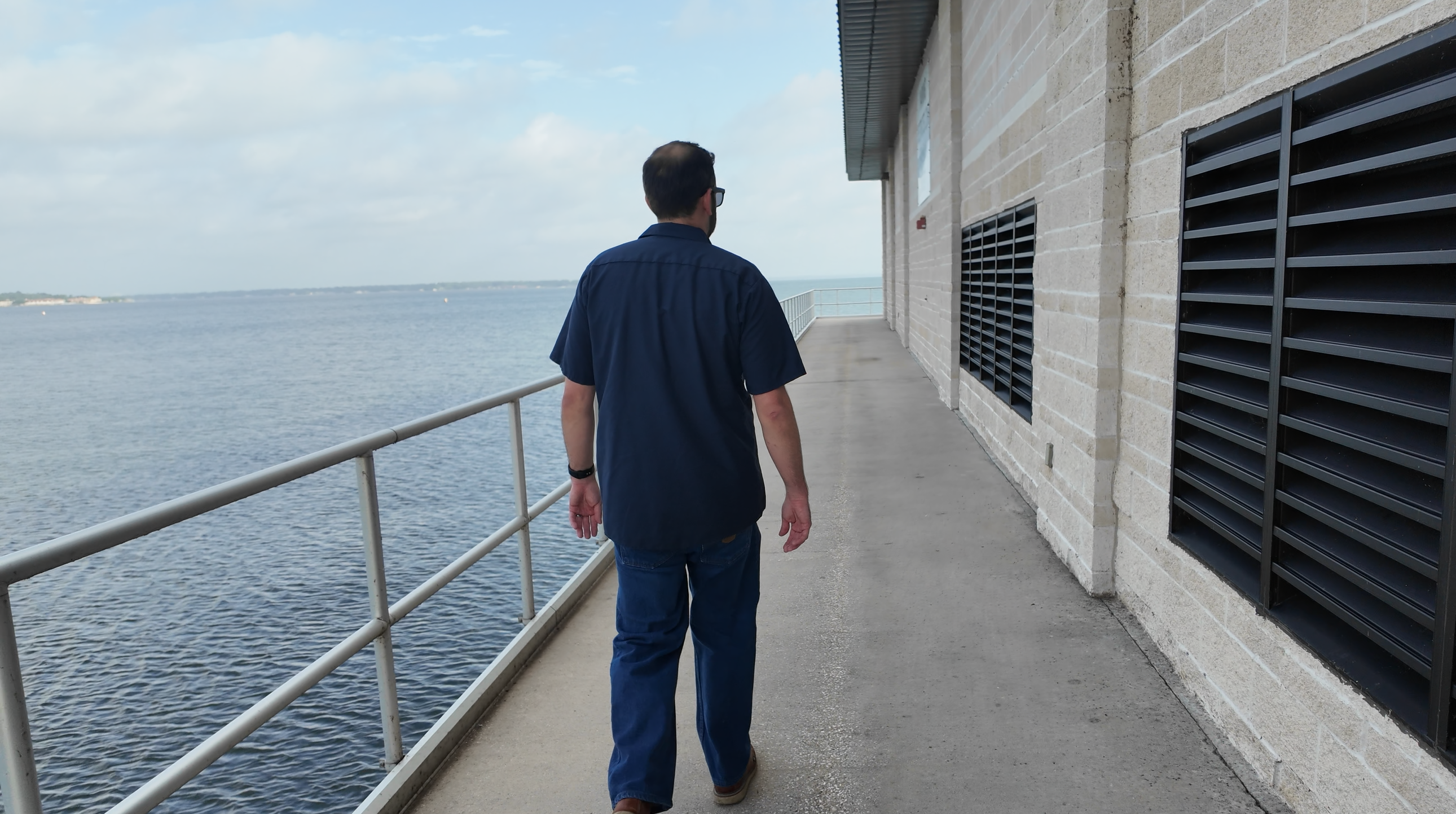
Lake Conroe stands at the heart of SJRA’s water resource system.
- Building the Reservoir: Constructed by SJRA in partnership with the City of Houston and the Texas Water Development Board, the Lake Conroe Dam was completed in 1973 to provide an alternate water source for municipal, mining, industrial, and agriculture use.
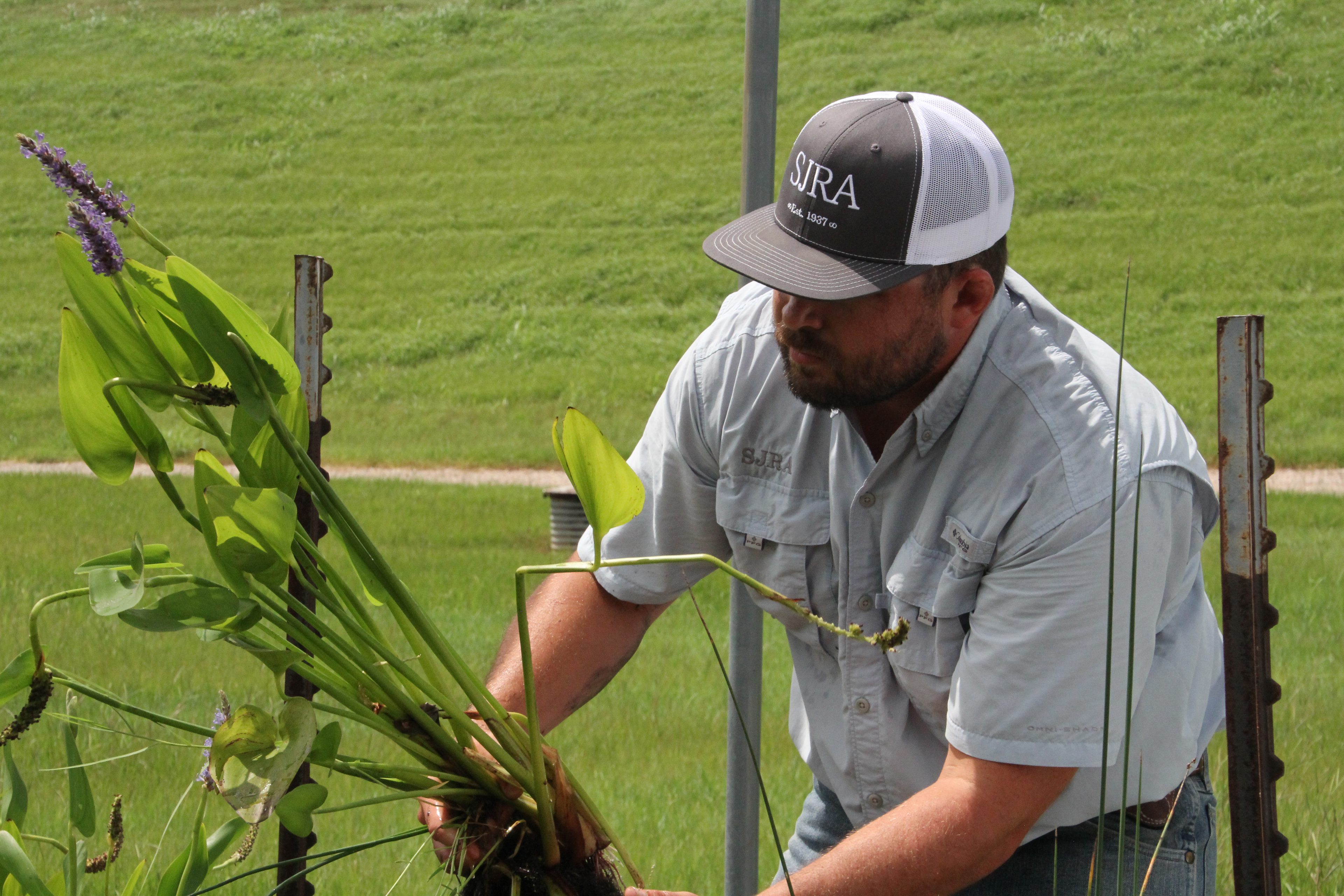
- Operations: The Division performs reservoir operations to protect water quality, ensure safe navigation, control the spread of invasive species, and permit lake activities such as residential dock and commercial marinas.
- Maintenance and Protection: The Division operates and maintains the Lake Conroe dam and spillway in strict accordance with state dam safety rules and regulations, thus preserving this critical water supply source while protecting public health and safety.
Highlands Division
The Highlands Division traces back to SJRA’s earliest infrastructure.
- Origins: SJRA acquired an extensive canal system, originally constructed in the 1940s by the Federal Works Agency, to supply raw water from Lake Houston and the Trinity River for municipal, industrial, and agricultural use.
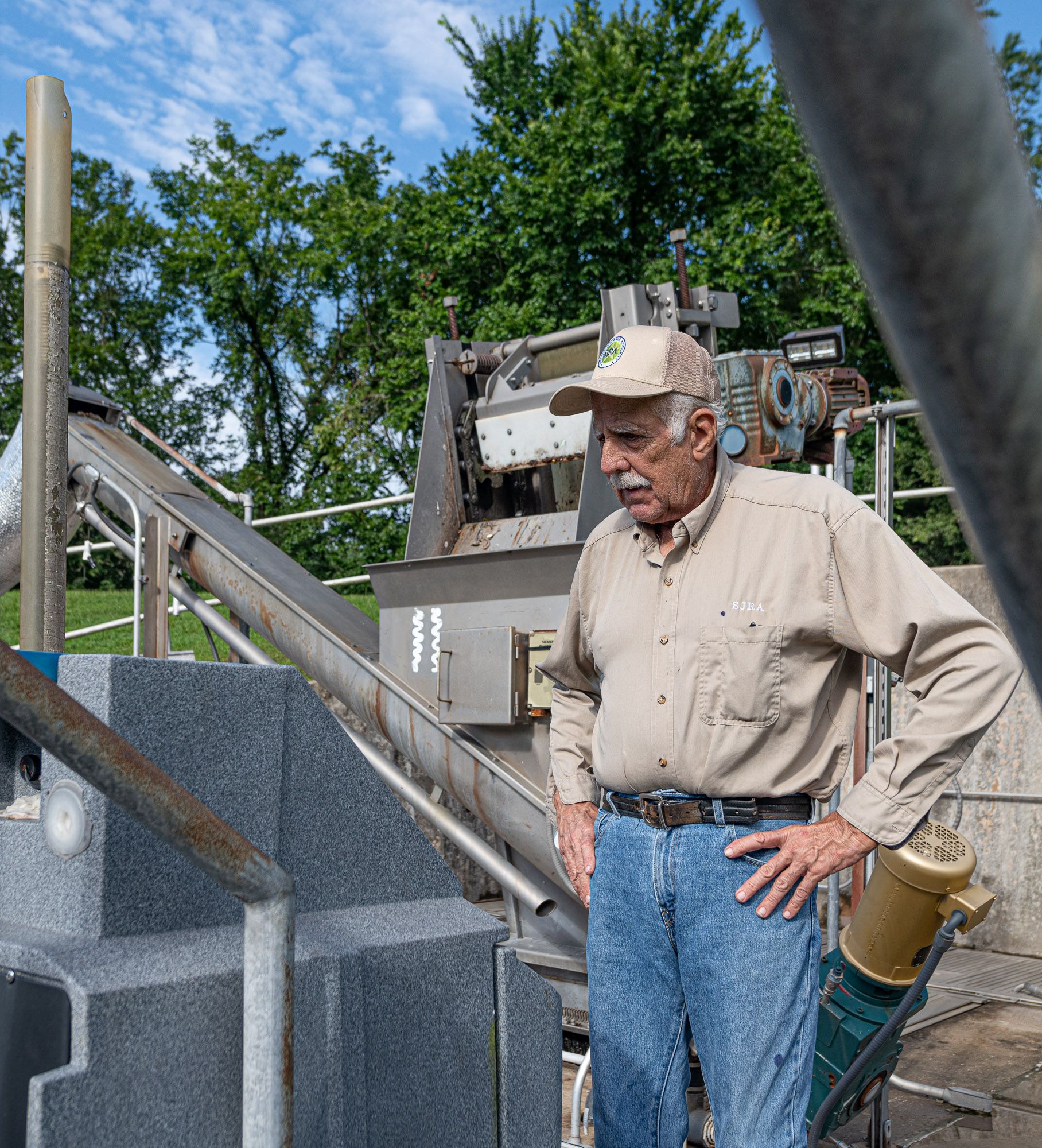
- Function: This raw water enterprise remains one of SJRA’s largest operations, conveying untreated wholesale water through more than 27 miles of channels and pump stations to industrial, municipal, and agricultural customers in east Harris County and across the region. This wholesale raw water provides an alternative water source for those entities that are required to reduce their reliance on groundwater.
- Maintenance and Protection: The network of canals, pumps, siphons, and reservoirs is continuously operated, and regularly enhanced by technological advancements such as SCADA automation to improve operational efficiency and system reliability.
Flood Management Division
Recognizing the complex challenges of regional flooding, especially after major events, SJRA established the Flood Management Division in 2018 to take a leadership role in mitigation planning across the basin. This work is grounded in SJRA’s enabling legislation, adopted by the Texas Legislature in 1937, which authorizes the Authority to develop and implement various activities across the San Jacinto River basin, including responsibilities related to flood management strategies.
- Role and Development: Unlike other SJRA divisions, the Flood Management Division is focused primarily on partnerships. This division coordinates regional flood management strategies, working with federal, state, county, and local partners to identify mitigation alternatives, secure funding, and perform flood mitigation projects.
- Maintaining Safety: The Division participates in the San Jacinto Regional Flood Planning Group, leads and supports flood studies (including potential watershed detention projects), and manages grants to advance mitigation efforts.
Conclusion: A Multi-Faceted Water Resource Enterprise
From supplying untreated surface water for various uses to wholesale drinking water and treating wastewater to coordinating long-range flood planning, SJRA’s operational divisions embody a complex balance of engineering, environmental stewardship, and community service. Born out of early 20th-century conservation efforts and evolving through decades of growth and environmental challenges, these divisions collectively ensure that the San Jacinto River basin’s water resources are built, maintained, and protected for today’s needs and tomorrow’s uncertainties.
Featured in Dock Line Magazine.