Most homeowners don’t think much about their plumbing system until something goes wrong. A slow-draining sink, a backed-up toilet, or a costly plumbing repair can quickly turn an ordinary day into a frustrating one. The good news is that many of these problems are preventable by knowing what should, and shouldn’t, go down your drains and toilets.
The Hidden Threat to Your Pipes
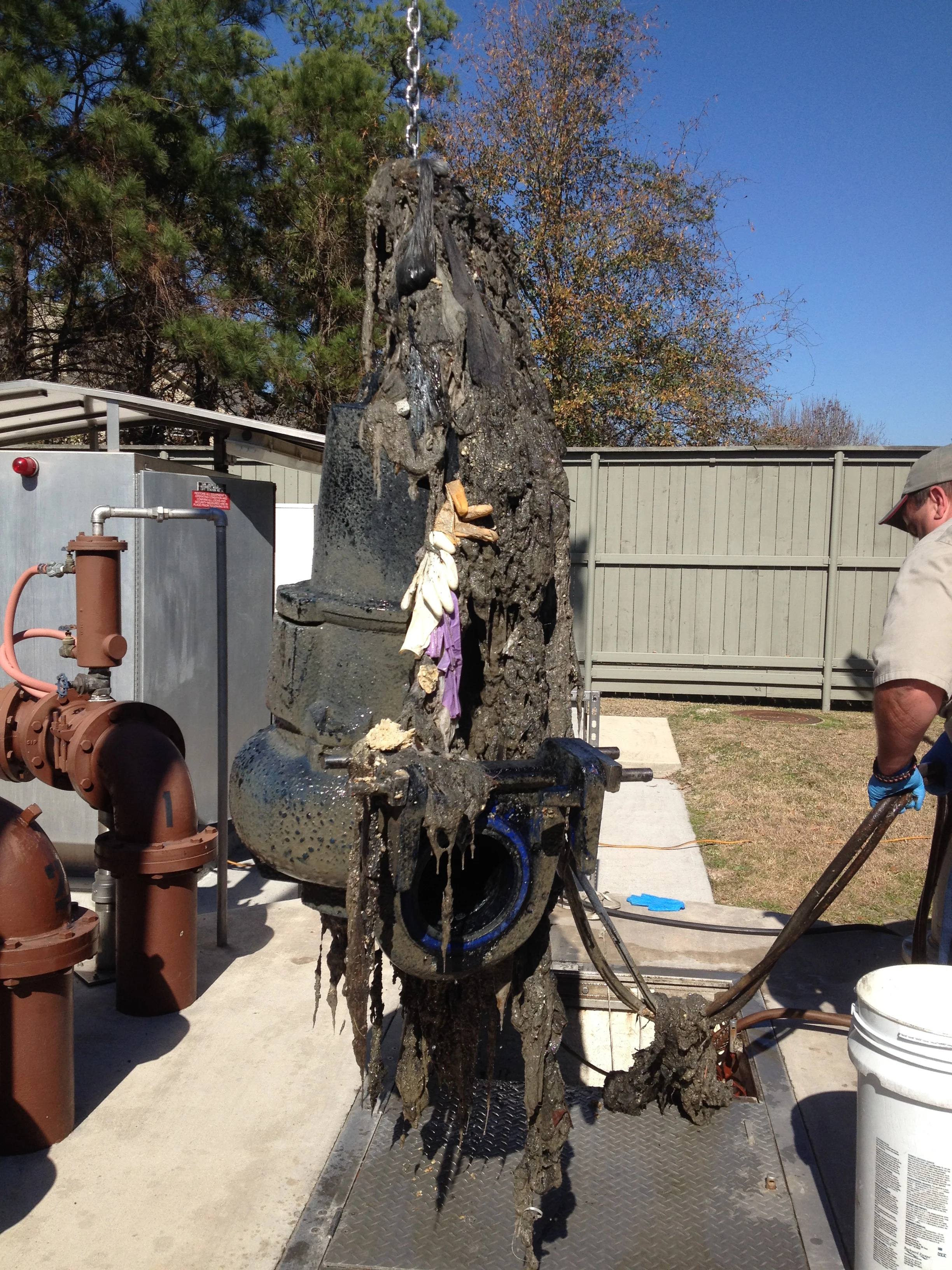
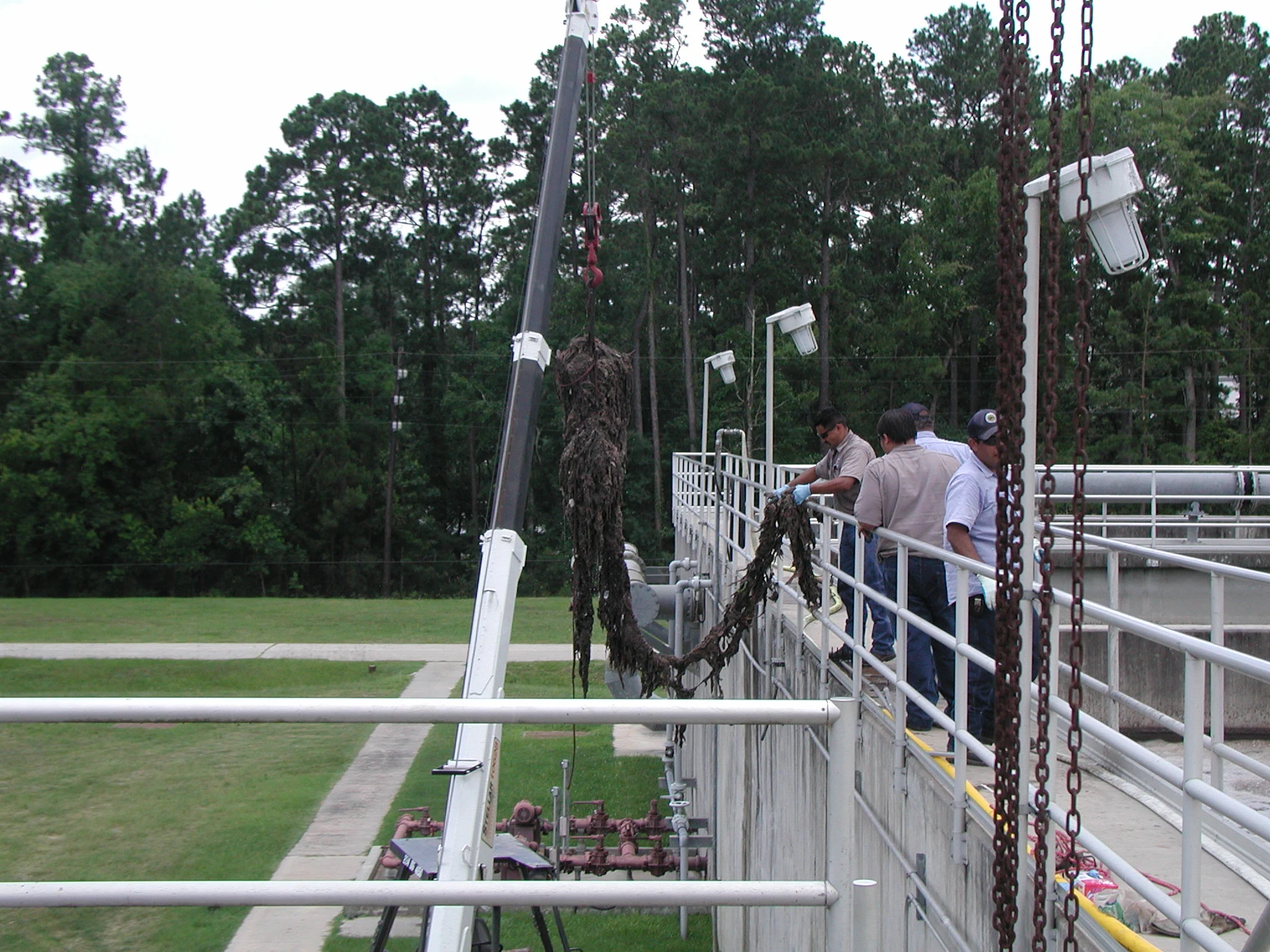
While water may seem to carry everything away, many common household items can build up inside pipes over time, restricting flow and creating stubborn blockages. These clogs don’t just affect plumbing inside your home. They can also impact community wastewater systems, leading to sewer backups, overflows, and costly repairs.
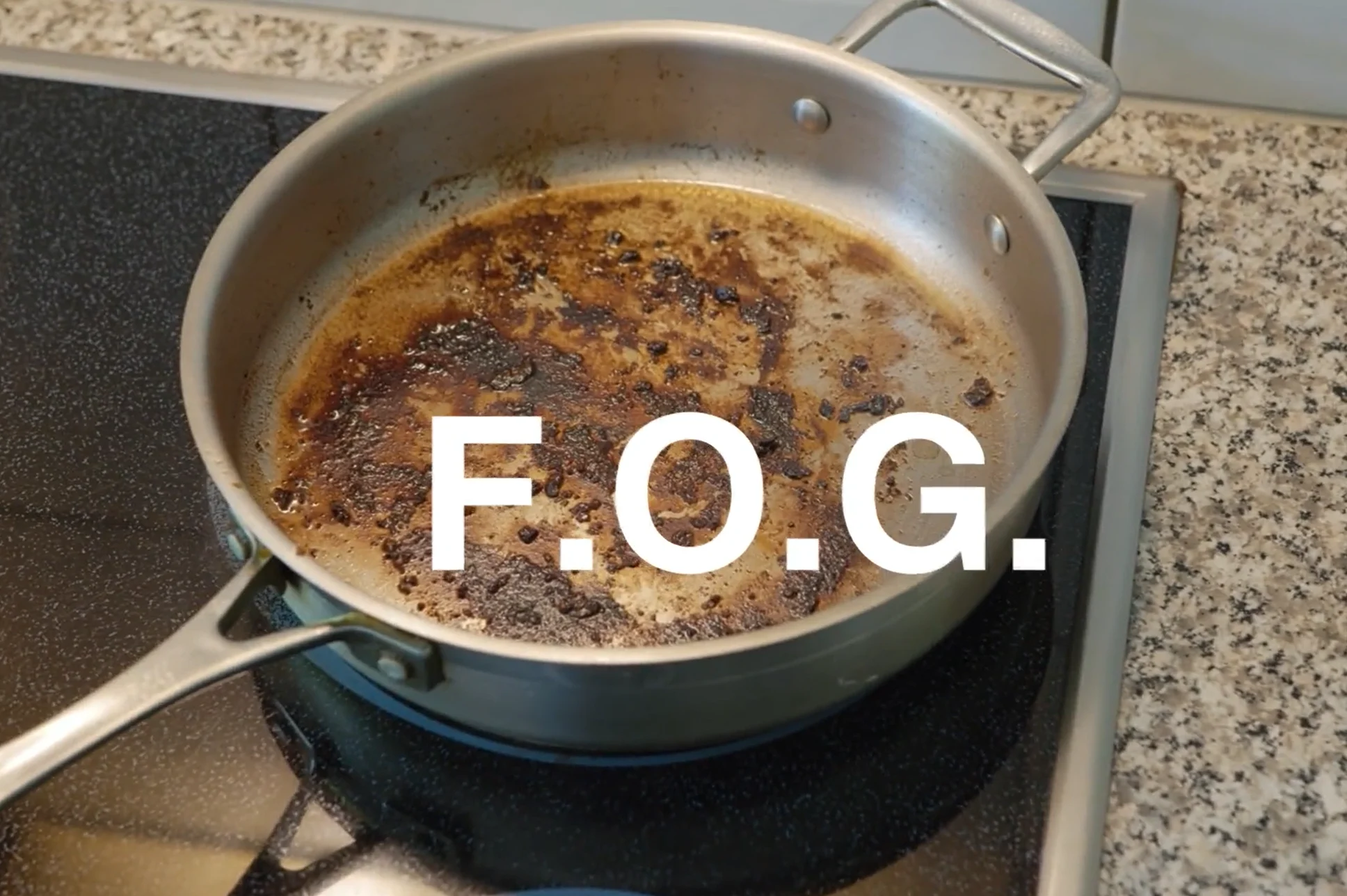
One of the biggest culprits is FOG: Fats, Oils, and Grease.
What is FOG?
FOG includes animal fats, cooking oils, butter, shortening, lard, gravy, salad dressings, mayonnaise, sour cream, and other greasy food products. While these substances may go down the drain as liquids, they cool and solidify inside pipes, where they stick to pipe walls and collect additional debris.
Think of it like cholesterol building up in arteries. Over time, the accumulation narrows the pipe and restricts flow, eventually creating a blockage.
More Than Just Grease
FOG isn’t the only thing that causes plumbing problems. Other items that should never be flushed or washed down drains include:
Never Flush:
- “Flushable” wipes
- Baby wipes
- Paper towels
- Facial tissues
- Cotton balls and cotton swabs
- Dental floss
- Feminine hygiene products
- Diapers
- Medications
Keep Out of Drains:
- Food scraps
- Coffee grounds
- Eggshells
- Rice, pasta, and starchy foods
- Grease and cooking oil
- Paint and chemicals
- Excessive soap residue
Even products labeled as “flushable” can create significant problems because they do not break down as quickly as toilet paper.
Simple Ways to Protect Your Plumbing
Preventing clogs is easier, and far less expensive, than repairing them. A few simple habits can make a big difference:
- Trash the Grease – Allow cooking grease to cool and pour it into a disposable container, can, or jar. Once hardened, place it in the trash.
- Wipe Before You Wash – Use a paper towel to wipe grease and food residue from pots, pans, and dishes before placing them in the sink or dishwasher.
- Scrape Food Into the Trash – Instead of rinsing food scraps down the drain, scrape them into the garbage or compost bin.
- Use Sink Strainers – Sink strainers help catch food particles and other debris before they enter your plumbing system.
- Only flush the three P’s:
- Pee
- Poop
- Toilet Paper
Why It Matters
When pipes become clogged, wastewater may back up into homes and businesses, creating expensive cleanup costs and potential health hazards. Severe blockages can even cause sewer overflows that impact streets, parks, waterways, and local ecosystems.
Communities spend millions of dollars each year clearing grease-related blockages, repairing damaged infrastructure, and responding to sewer overflows. By making small changes at home, residents can help protect both their plumbing and the community’s wastewater system.
Protect Your Pipes, Protect Your Community
Every sink, shower, and toilet in your home is connected to a larger wastewater network. What goes down your drain doesn’t simply disappear, it travels through miles of pipes before reaching a treatment facility. By keeping grease, food waste, wipes, and other non-flushable items out of drains and toilets, you can help prevent clogs, avoid costly repairs, and protect local waterways. When in doubt, remember: if it’s not water, waste, or toilet paper, it probably doesn’t belong in your pipes.
Published in Dock Line Magazine.