Whether you’re boating on Lake Conroe, fishing along its shoreline, or simply enjoying the natural beauty of the region, water quality plays an important role in our daily lives. Clean water supports healthy ecosystems, safe recreation, and thriving communities. Behind the scenes, the San Jacinto River Authority (SJRA) manages a network of programs designed to monitor, protect, and improve water quality throughout the San Jacinto River Basin. While each program serves a unique purpose, they are all connected by a common goal: safeguarding one of the region’s most valuable natural resources.
Monitoring the Watershed
Effective water quality management begins with understanding current conditions. That understanding comes from monitoring programs that collect data throughout Lake Conroe and its tributaries.
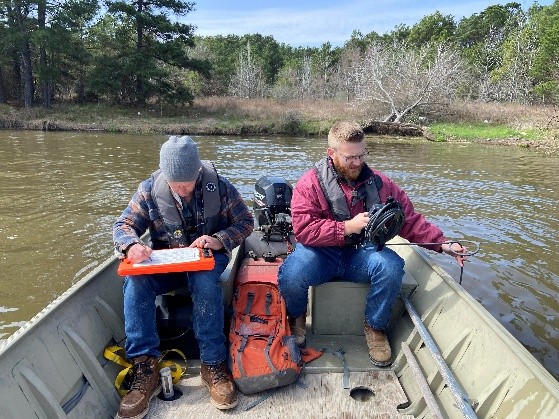
The Clean Rivers Program has been continuously monitoring Lake Conroe since 1991. Water samples are collected from 10 locations throughout the reservoir, measuring factors such as nutrient levels, bacteria, suspended solids, and other indicators of water quality. Samples are collected at multiple depths to provide a complete picture of conditions throughout the water column.
Building on this long-term monitoring effort, SJRA launched its Nutrient Sampling Program to better understand nutrient levels within the reservoir’s tributary coves and inlets. The program was established in response to trends suggesting increasing nutrient concentrations that could contribute to future water quality concerns. By identifying potential nutrient sources and establishing baseline conditions, the program helps guide future management decisions.
The Creek Sampling Program extends this effort into the streams and tributaries that flow into Lake Conroe. In addition to collecting water quality data, the program evaluates stream health through biological observations and flow measurements, providing valuable insight into the overall condition of the watershed.
Another important monitoring effort focuses on preventing the spread of invasive species. Through the Zebra Mussel Monitoring Program, SJRA maintains monitoring stations at marinas and boat ramps around Lake Conroe. These stations are inspected quarterly for evidence of zebra mussel activity, while additional sampling is conducted to detect zebra mussel larvae before populations become established. To date, no larvae has been detected in Lake Conroe.
Together, these programs provide the information needed to identify trends, respond to emerging concerns, and make informed decisions about protecting water resources.
Restoring and Protecting Ecosystems
Collecting data is only part of the equation. Protecting water quality also requires active stewardship and community involvement.
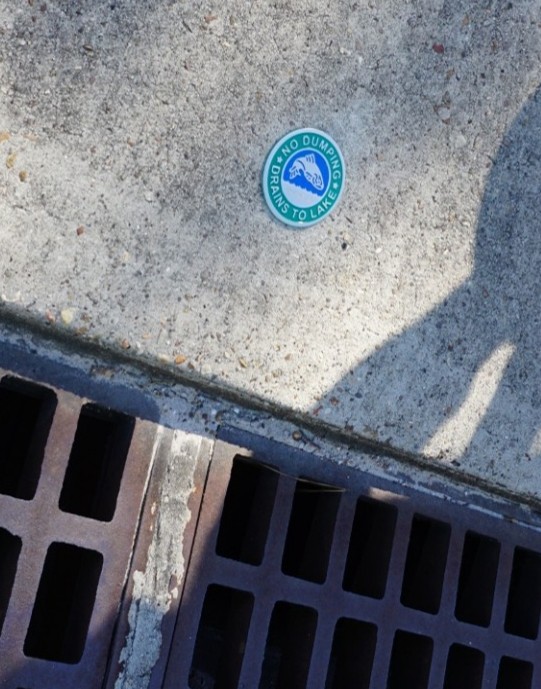
For the past decade, SJRA’s Storm Water Inlet Marking (SwIM) Program has helped educate residents about the connection between neighborhoods and Lake Conroe. Volunteers place markers on storm drains to remind the public that stormwater runoff flows directly into local waterways without treatment. By increasing awareness, the program encourages residents to take simple actions that can reduce pollution before it reaches the lake.
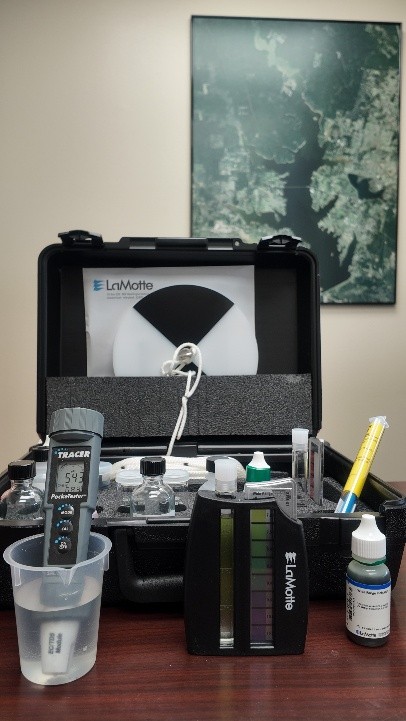
Community involvement extends even further through the Texas Stream Team Program, a statewide citizen science initiative. Volunteers receive training and certification before collecting water quality data at assigned monitoring locations. The information is submitted to a statewide database where it can be reviewed by SJRA and state agencies. This partnership significantly expands monitoring coverage and provides valuable data from locations that may not otherwise be routinely sampled.
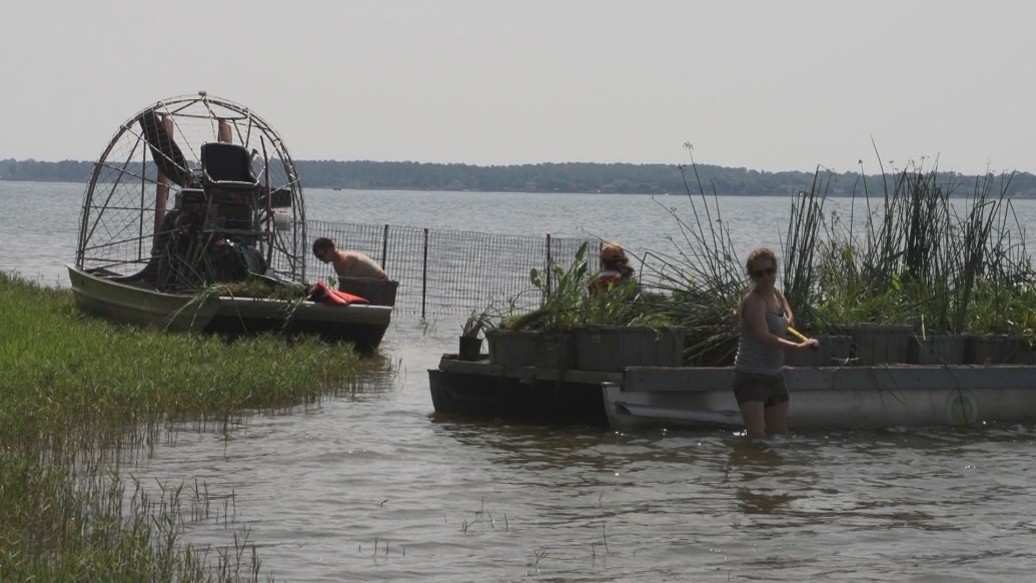
SJRA also invests in habitat restoration through its Native Aquatic Plant Program. Native aquatic vegetation is propagated at a nursery near Lake Conroe Dam using plant fragments collected from established populations within the reservoir. Once mature, the plants are transplanted along reservoir shorelines, particularly within the National Forest shoreline area.
These restoration efforts provide numerous benefits, including shoreline stabilization, improved wildlife habitat, and nutrient uptake within the water column. Ongoing surveys help track the success of native plant communities while monitoring the presence of invasive species.
Together, these volunteer and restoration efforts strengthen the health and resilience of the Lake Conroe ecosystem.
Managing Growth and Protecting Water Quality
As the watershed continues to grow, protecting water quality requires careful oversight of development, wastewater management, and environmental concerns.
SJRA tracks and reviews wastewater treatment facility permits that affect the watershed, helping ensure that treated discharges entering local waterways meet regulatory requirements. Monitoring these permits provides valuable insight into water quality trends and allows SJRA to participate in the permitting process when appropriate.
Protecting water quality also means ensuring that on-site sewage facilities, commonly known as septic systems, function properly. As the authorized agent for the State of Texas in the Lake Conroe area, SJRA reviews new installations and modifications, verifies required maintenance activities, investigates reported malfunctions, and coordinates enforcement efforts when necessary.
Environmental investigations represent another important component of water quality protection. As development and population growth continue throughout the watershed, reports of potential environmental concerns have increased. SJRA investigates complaints, documents findings, and initiates enforcement actions when warranted to help protect local waterways.
Construction activity also receives close attention. Development projects near Lake Conroe are reviewed to ensure appropriate stormwater management practices are in place to reduce erosion and sediment runoff. Projects proposing to use the reservoir for stormwater detention undergo additional review, and developers are often required to incorporate long-term water quality treatment measures before runoff enters the lake. This proactive approach represents a significant effort to protect water quality as the region continues to grow.
Building Awareness for the Future
In addition to monitoring and regulatory efforts, SJRA works to increase public awareness of watershed protection through school tours, publications, community outreach events, and social media. These educational efforts help residents better understand how their everyday actions can impact local waterways and encourage responsible environmental stewardship.
While each program serves a specific purpose, they are most effective when working together. Together, they form a comprehensive approach to protecting water quality across the San Jacinto River Basin. From collecting data and restoring habitat to engaging volunteers and managing development, every effort contributes to the same goal: ensuring healthy waterways for future generations.
Many of these activities occur behind the scenes, but their impact can be seen throughout the watershed, resulting in healthier ecosystems, improved recreational opportunities, and a stronger future for Lake Conroe and the communities that depend on it.
Featured in Dock Line Magazine.