
It’s that time of year again, unexpected cold snaps and possible unexpected burst pipes. Fortunately, winter doesn’t have to be as costly if you take a few simple precautions. Burst pipes can cause major damage, costly repairs, and significant water loss. By winterizing your home, you can help avoid these emergencies while conserving water at the same time.
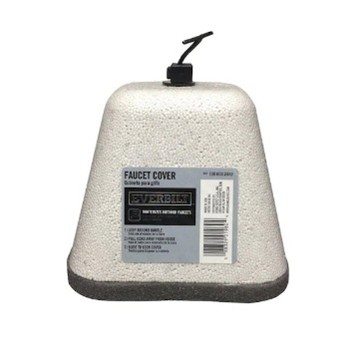
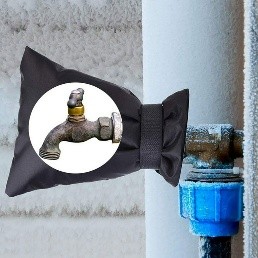
To protect your home during cold weather, consider using pipe foam or special insulation to wrap pipes. For added warmth, you can also layer pipes with towels or blankets. However, if precipitation is in the forecast, be sure to use waterproof materials as wet towels and blankets can lose their insulating effectiveness. Installing hose bib covers on any outdoor faucets is another easy step that can prevent freezing and reduce the risk of costly repairs. Taking these precautions not only protects your home but also helps prevent water waste caused by broken pipes.
Winter is also an ideal time to adjust your outdoor water use. With cooler temperatures and less sunlight, lawns do not dry out as quickly as they do in the summer. Reducing how often you water your lawn during the winter months can save both water and money. Check your sprinkler settings and water only when your lawn truly needs it.
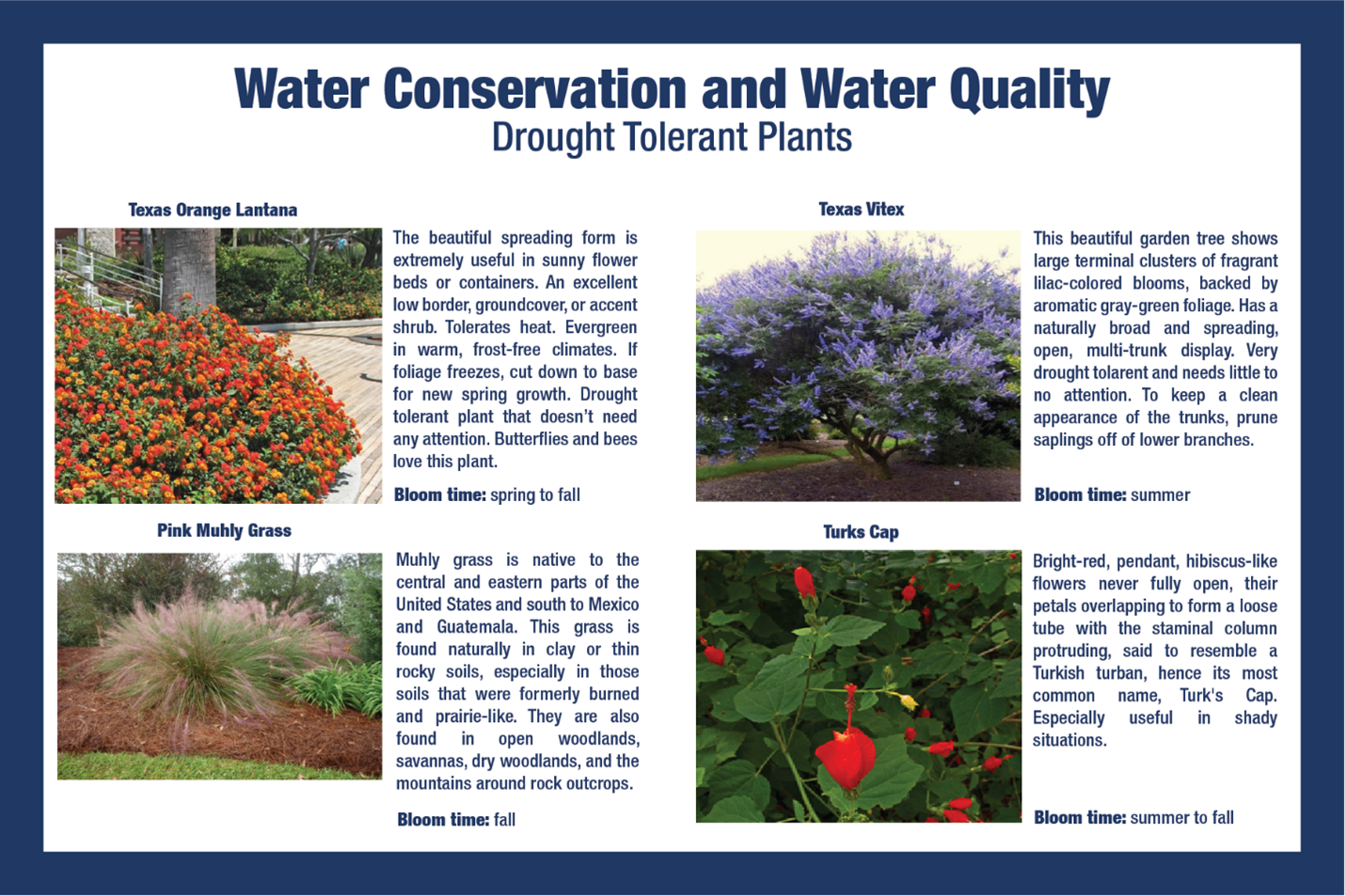
As you begin planning for spring landscaping, consider incorporating native, drought tolerant plants. These plants are well-suited to our region and require less supplemental watering, helping conserve water throughout the warmer months while keeping your garden beds looking vibrant. To learn more about native drought-tolerant plants, visit Lady Bird Johnson Wildflower Center.
Lastly, while many Texans have pools that they enjoy all summer long, they’re too cold to swim in even during our very mild winters. While the sun may not be as strong during the winter, it does not mean that water is not evaporating. Using a pool cover during the winter and early spring months can significantly reduce water loss and help conserve water.
For more water conservation and winterization tips, be sure to follow us on social media throughout the month of February. We will be sharing helpful information to support water savings this winter and early spring!
Winter is also an ideal time to adjust your outdoor water use. With cooler temperatures and less sunlight, lawns do not dry out as quickly as they do in the summer. Reducing how often you water your lawn during the winter months can save both water and money. Check your sprinkler settings and water only when your lawn truly needs it.
As you begin planning for spring landscaping, consider incorporating native, drought tolerant plants. These plants are well-suited to our region and require less supplemental watering, helping conserve water throughout the warmer months while keeping your garden beds looking vibrant. To learn more about native drought-tolerant plants, visit Lady Bird Johnson Wildflower Center.
Lastly, while many Texans have pools that they enjoy all summer long, they’re too cold to swim in even during our very mild winters. While the sun may not be as strong during the winter, it does not mean that water is not evaporating. Using a pool cover during the winter and early spring months can significantly reduce water loss and help conserve water.
For more water conservation and winterization tips, be sure to follow us on social media throughout the month of February. We will be sharing helpful information to support water savings this winter and early spring!
Featured in Dock Line Magazine.